About Us
Discover Wilson College's rich legacy, visionary leadership, and enduring mission to shape character and intellect through holistic education.
History
Rev. Dr. John Wilson
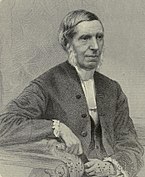
John Wilson, D.D., F.R.S - Founder of the College
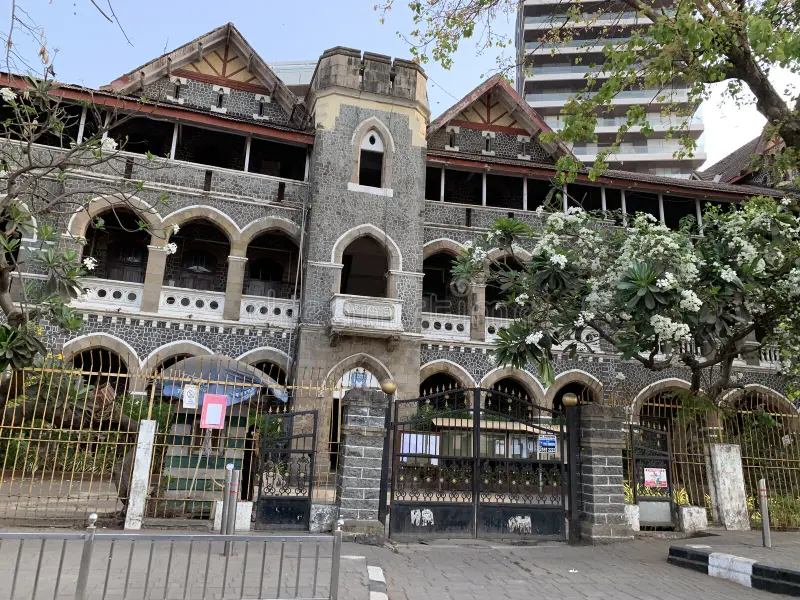
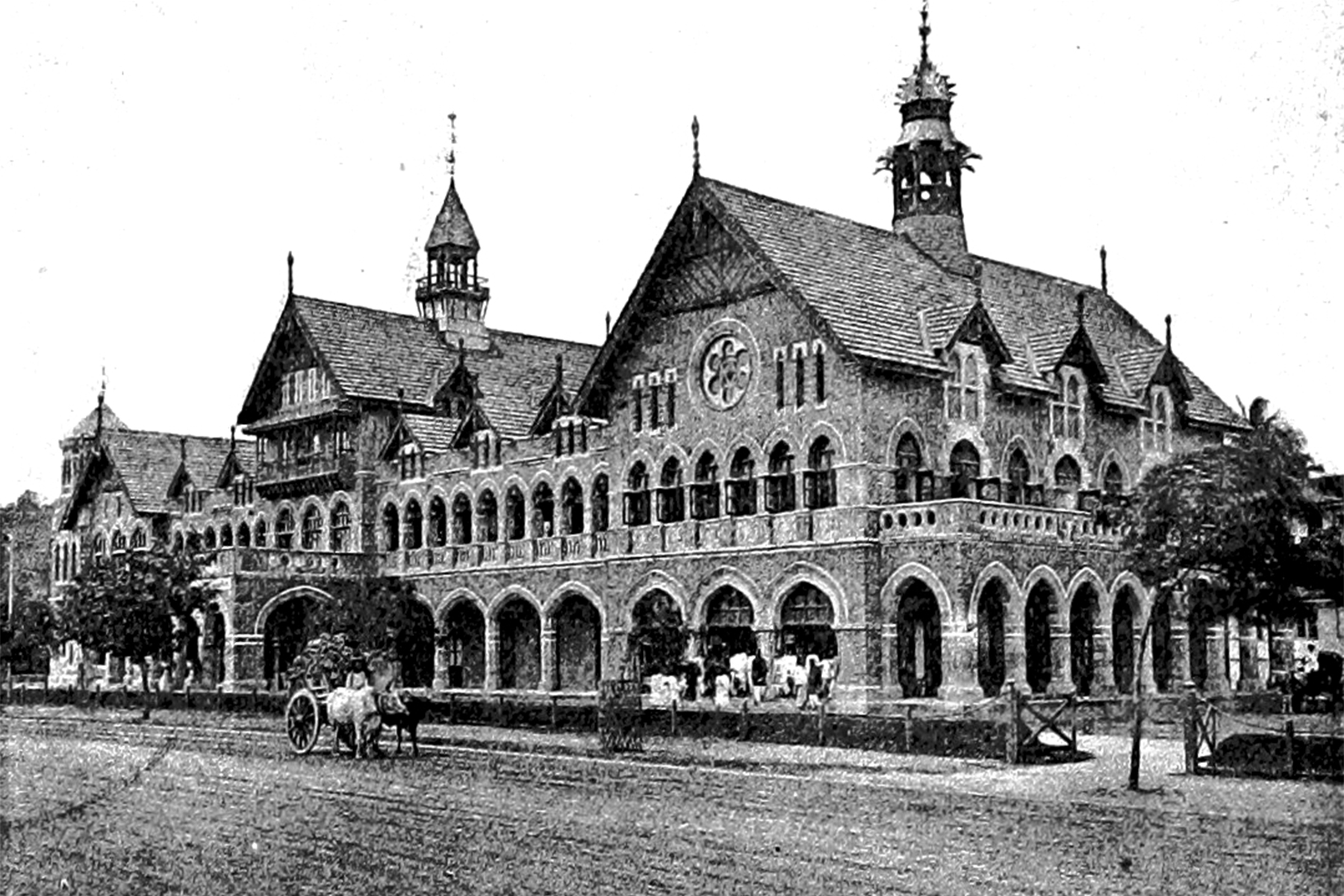
The Wilson College was founded by the Scottish missionary Rev. John Wilson in 1832. It is one of India's oldest colleges; its foundation precedes that of the University of Mumbai, (to which it is affiliated), by 25 years. Beginning as Ambroli English School in Girgaum, Mumbai, it later saw several changes of sites and names, eventually being called the Wilson School. The collegiate section, from which Wilson College evolved, came about in 1836. Soon after their arrival in Mumbai in February 1829, Wilson and his wife Margaret Wilson began studying the local language of Marathi. Margaret started a school for girls in 1829 at Ambroli House in Girgaum, Mumbai, with Marathi being the chief medium of instruction and learning. An English boarding school was opened in 1832, which later became the St. Columba School. The Ambroli English School is the direct forerunner of the present college. On 14 December 1861, the collegiate section of Wilson's institution under the name of Free General Assembly's Institution became the first privately owned, non-government institution to be affiliated to the university. Located opposite Mumbai's Girgaon Chowpatty, the college building was constructed in 1889 and designed by John Adams in the domestic Victorian Gothic style. It is listed as a Grade III heritage structure in the city.
In 1952, the management of the college came under an autonomous Board of Governors in India. Since 1963, the college functions under the management of John Wilson Education Society. Wilson College is a Christian minority institution and is closely related to CNI. It aims at education of the Christian community and extends its facilities and services to other communities too. The students of Wilson College are from nearly every ethnic, religious, and social group of the country as well as of the world.
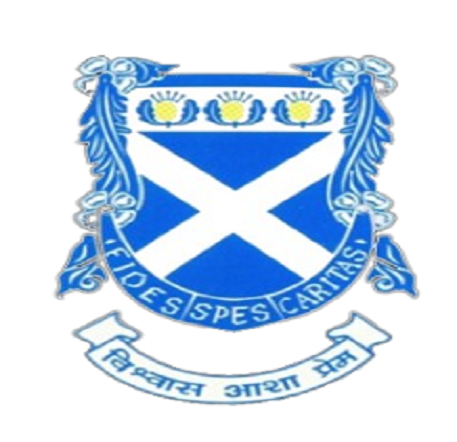
The motto of the college is "Fides, Spes, Caritas" (Vishwas, Asha, Prem) Faith (in God), Hope (that the college can achieve the highest level of moral, spiritual, and intellectual excellence), and Love (that steers one through life).
After the death of Rev. Dr. Wilson in 1875, Rev. Dr. Dugald Mackichan served as a successor, having already served the college for six months at the time of Wilson's death. Nine years later, Mackichan became principal and held the position until 1920, becoming one of the most distinguished principals of the college. Mackichan, who taught physics and was instrumental for setting up the college's physics laboratory, was a distinguished physicist in his own right and had formerly worked with British scientist Lord Kelvin.
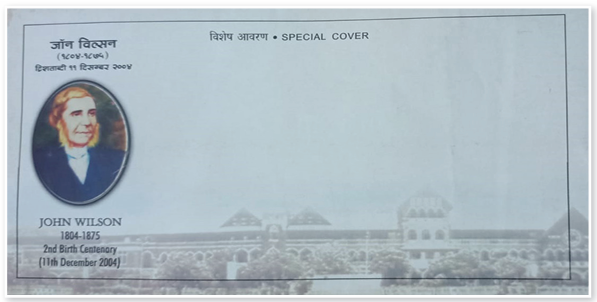
The Postal Department, Government of India honored its founder and the institution by issuing a Special Day Postal Cover in 2004. In 2007, to commemorate the completion of its 175 years, a stamp and first day cover of Wilson College was issued.
In February 2004, November 2011 and October 2017 the College was accredited 'A' Grade by NAAC, and in 2021 was granted autonomous status.
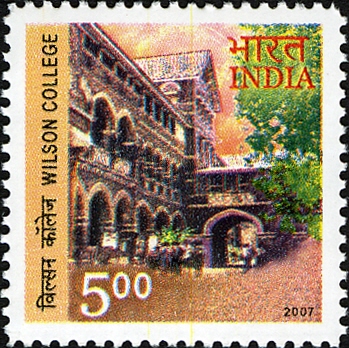
Architecture
The building is noted for its large first-floor classrooms with interesting teakwood trusses. These classrooms are protected by deep verandahs, which overlook the Girgaum Chowpatty beach and are protected by the Mangalore tiled roof.
The arched veranda with its segmental sandstone arches on the ground floor forms one of the common features of the building. The deep over-hanging verandahs on the west façade facing the sea form a buffer between the classrooms and the exteriors. They bear the brunt of the heavy rains and the sunlight.
As seen in most of the buildings in that period, Minton tiles have been used for the college verandah flooring. The main staircase area has some excellent mosaic tile decoration with floral motifs.
The use of red terracotta tiles in the first floor and the second floor makes the floor look different and these are in a relatively good condition. Many original teakwood doors and windows still exist in the college.
The entrance lobby with its grand staircase is one of the features in all the buildings designed by John Adams. The grand timber staircase with the multi-foil circular panel design in the handrail is another feature extensively used by John Adams in his design. The classrooms have been designed north - south opening into the west verandah. They have ample windows for ventilation and natural light.
The library with its teakwood mezzanines and catwalks is one of the best-maintained areas in the college. The teakwood mezzanines are the extra reading and storage areas in the library - the library furniture has been designed keeping in mind the exact space provision for the storage. The library is divided into bays, which are partitioned with the storage cupboards.
The assembly hall is designed with two level balconies, which were designed to accommodate an orchestra for important functions. The teakwood balcony is supported on the teakwood decorative brackets. There is a multi-foil circular stained glass window with the college crest on it.
The chapel is placed in the north-west corner of the building. The central nave with its arches and the columns has been designed with good acoustics. Each bay of the nave and the side isle has the original lamp fittings illuminating the chapel.
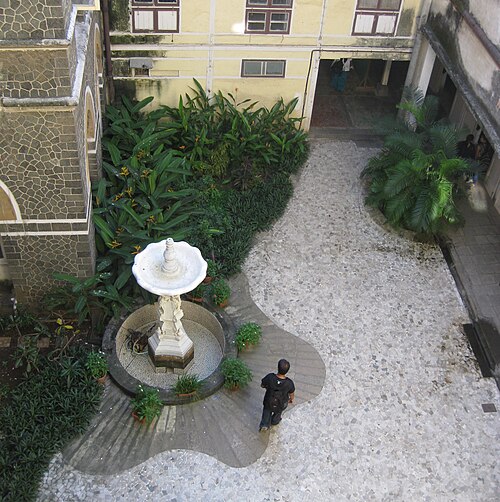
The white marble courtyard fountain is renaissance revival fountain based on one of the famous designs of the famous Italian sculptor Gianlo Renzo Bernini. The fountain is a 3-piece sculptor and is a garden ornament fountain, an order from the catalogue, which was a typical feature in the 19th century. The sculpture depicts the scroll motifs and the long tresses of hair representing the water and river sea nymphs. Fish motifs can also be seen in the hands of the sea nymphs.
I/C Principal
Dr. Jamson Masih
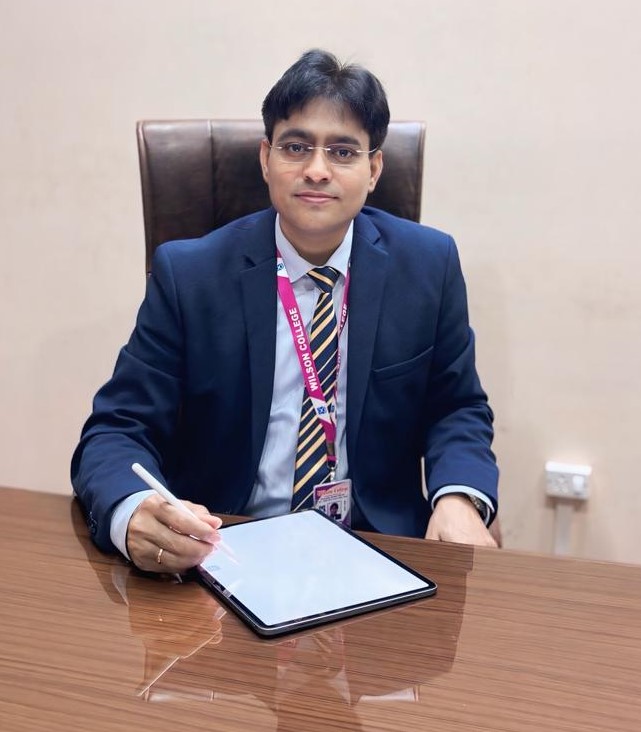
Designation: Associate Professor (Chemistry)
Qualifications: M.Sc, Ph.D, FICS, FICC
Research Interest: Environmental & Analytical Chemistry
- Ph.D. in Chemistry (Indoor/Outdoor Air Pollution), St. John's College, Agra, in collaboration with USEPA, New Jersey, USA.
- Awardee of Dr. D.S. Kothari PDF (2010) - JNU, New Delhi.
- CSIR Research Associate (2009), St. John's College, Agra.
- Young Scientist Award (SBBS, 2021), Best Thesis Award (BARC, 2012), and several others.
- Over 2000 citations in Environmental & Analytical Chemistry.
- Has been independently verified and ranked among the World's Top 5% Scientists in the 2025 SciRank Global Registry, based on Rigorous bibliometric analysis.
- AAAR 43rd Annual Conference, Buffalo, USA (2025)
- AAAR Conference, Albuquerque, USA (2024)
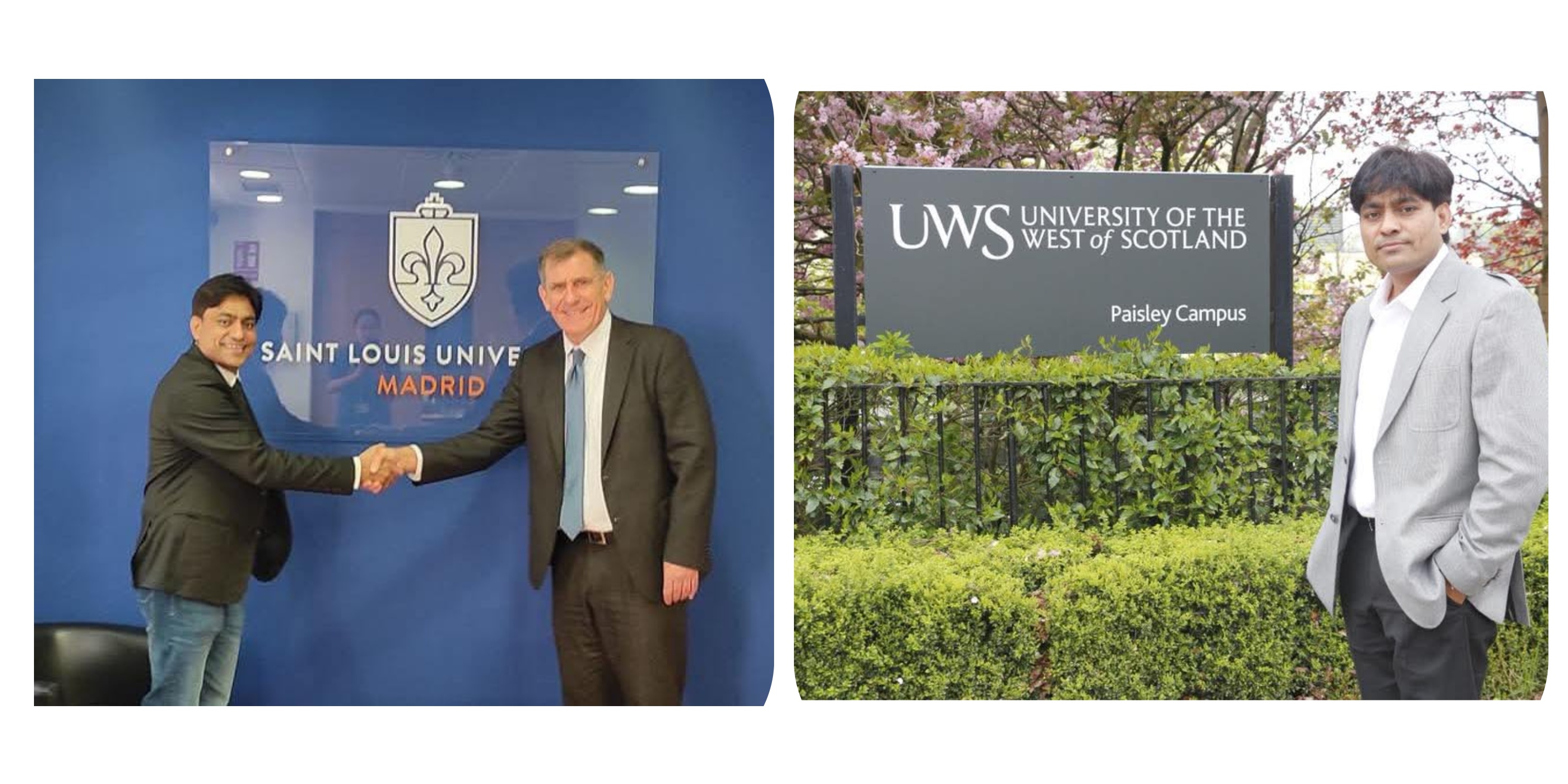
- University of San Francisco (2024), Calabria (2023), Spain (2022), Sweden (2019), Scotland (2018), and more.
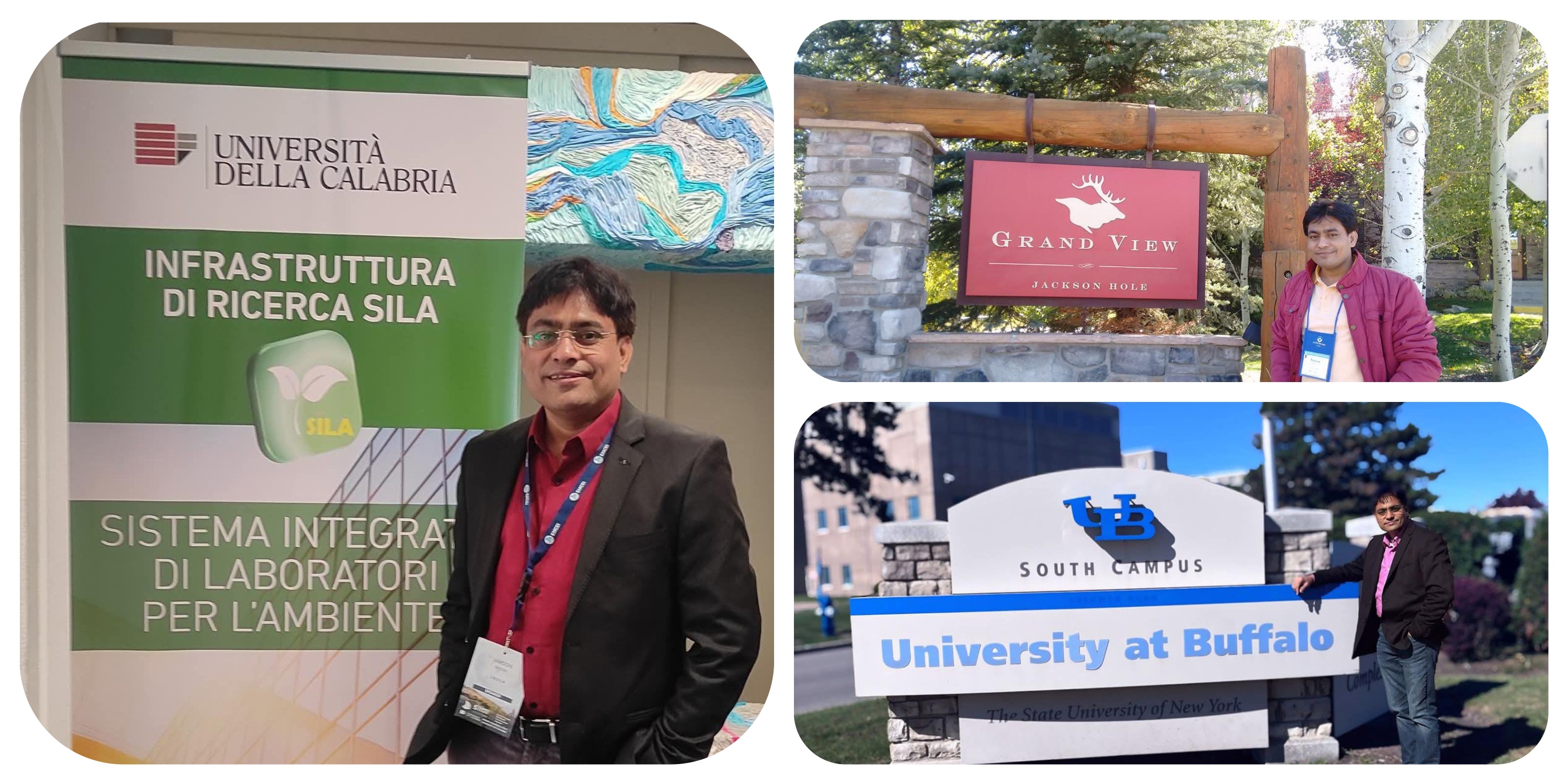
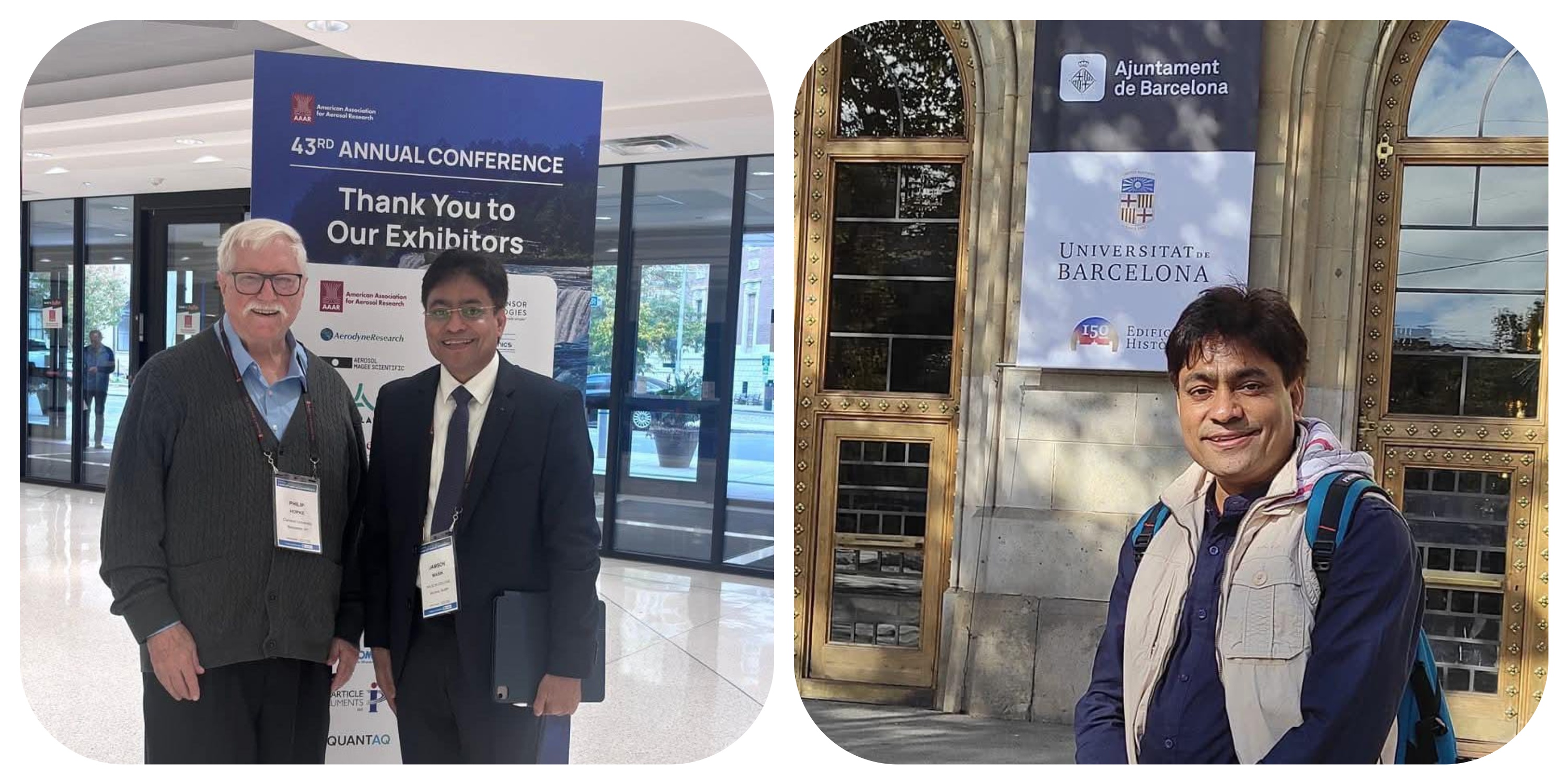
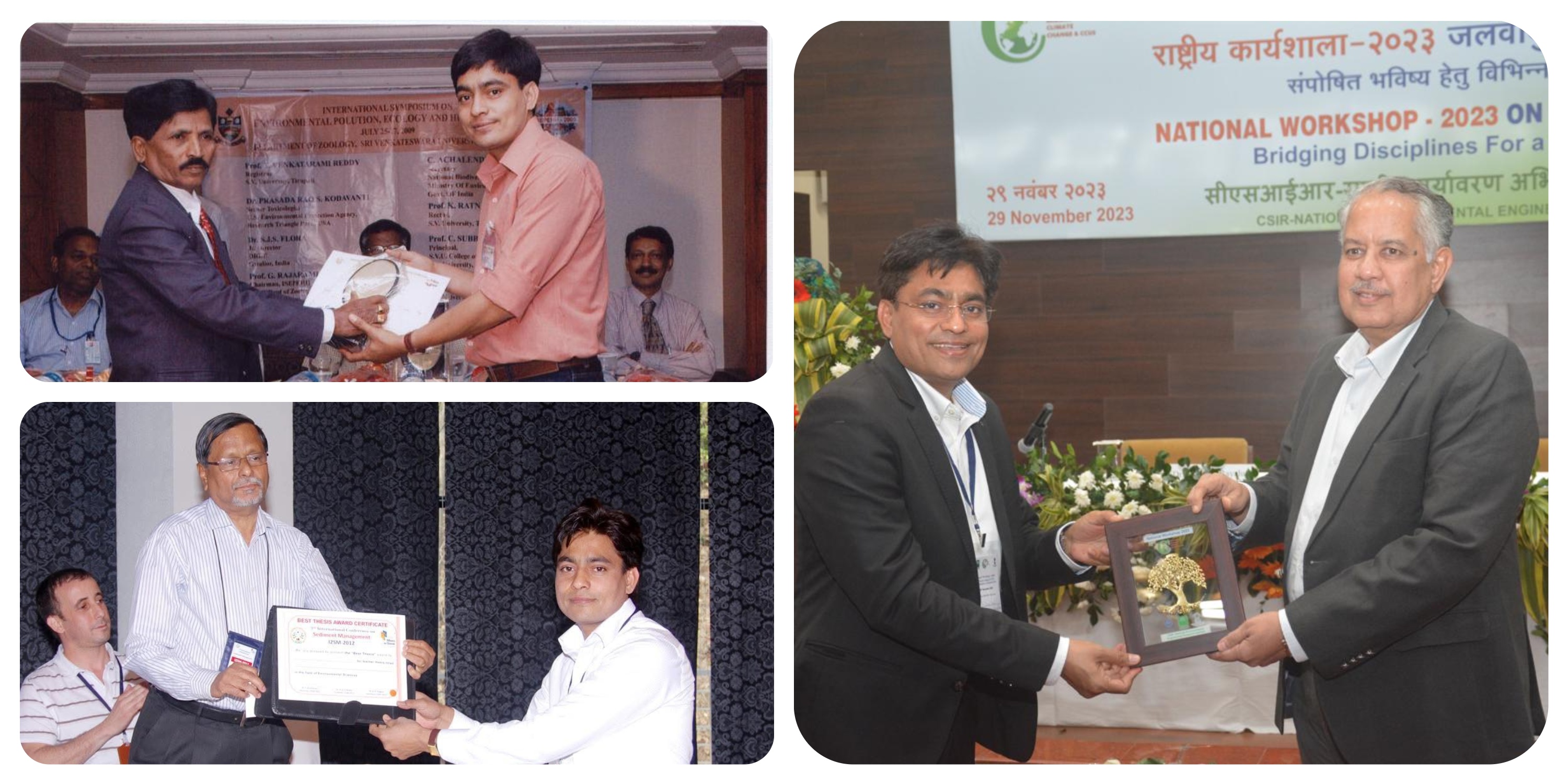
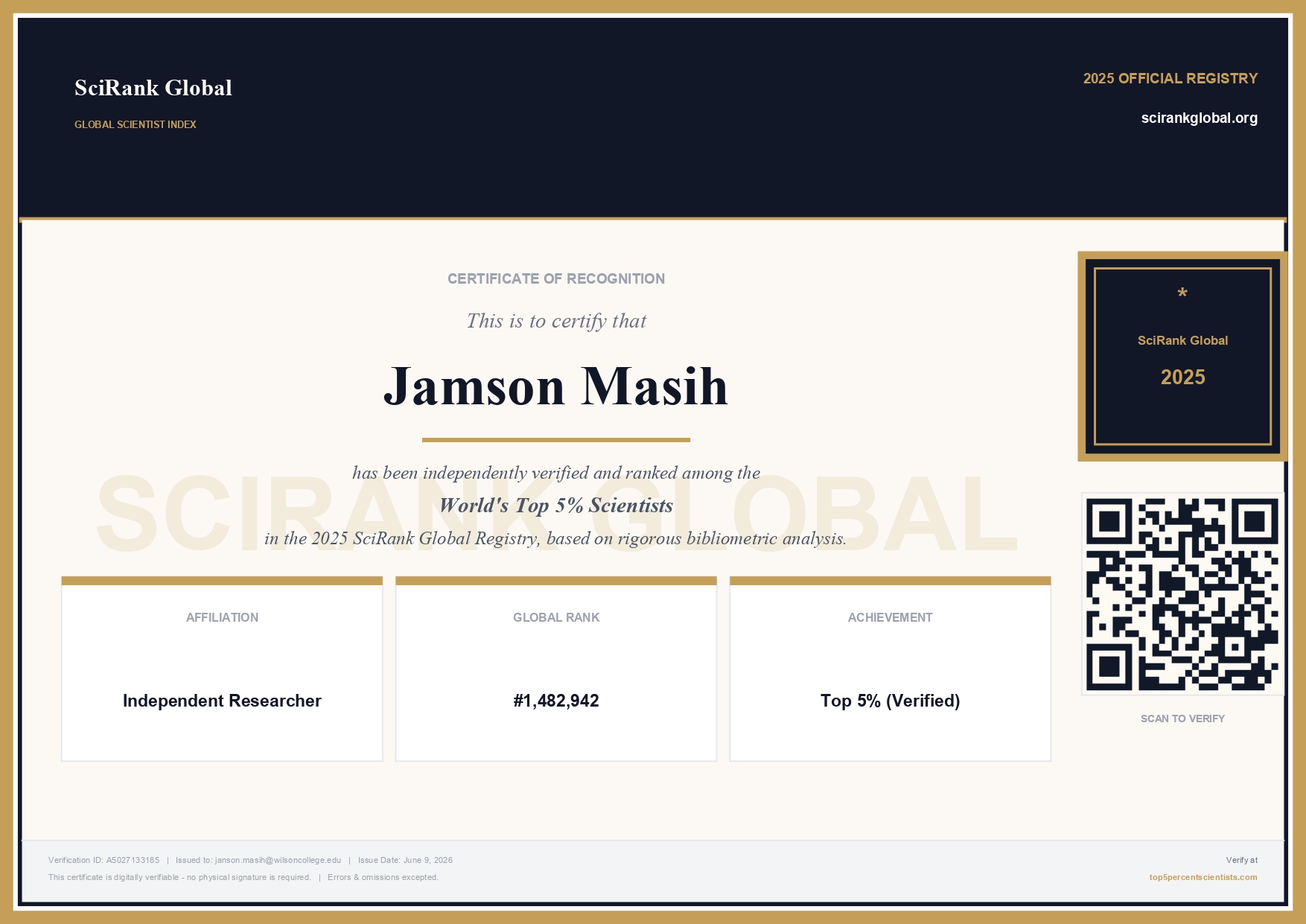
- Has been independently verified and ranked among the World's Top 5% Scientists in the 2025 SciRank Global Registry, based on Rigorous bibliometric analysis.
- Multiple international travel grants from DST, CSIR, ICMR, and other bodies (2010 - 2025).
- Funding support from East-West Center, AAAR, and AWMA USA.
- PAHs and carcinogenic potencies in PM2.5, Mumbai - 15.15 lakhs (UGC, 2015 - 2018).
- Nanoparticles and metal behavior study - 15 lakhs (UGC, 2015 - 2022).
- LoU with Prof. Takeshi Ohura, Meijo University, Japan (2019)
- MoU with Dayalbagh Educational Institute, Agra (2021)
- Member ‚- AAAR (USA), IAQC (USA)
- Life Member - ICS, ICC, IAEAC (BARC), IACT, SBBS, IASTA
Dr. Jamson is widely known in academic circles and serves on the Bombay YMCA Committee. His goal is to uphold Wilson College's vision by focusing on quality education and inclusive community enrichment.
Vision and Mission
Vision: To provide holistic education to a diverse learner community, developing in them contemporary sensibilities and preparing them to meet professional challenges as global citizens.
Mission: To nurture intellectually well-trained, morally upright, socially conscious, and spiritually oriented learners.
College Management
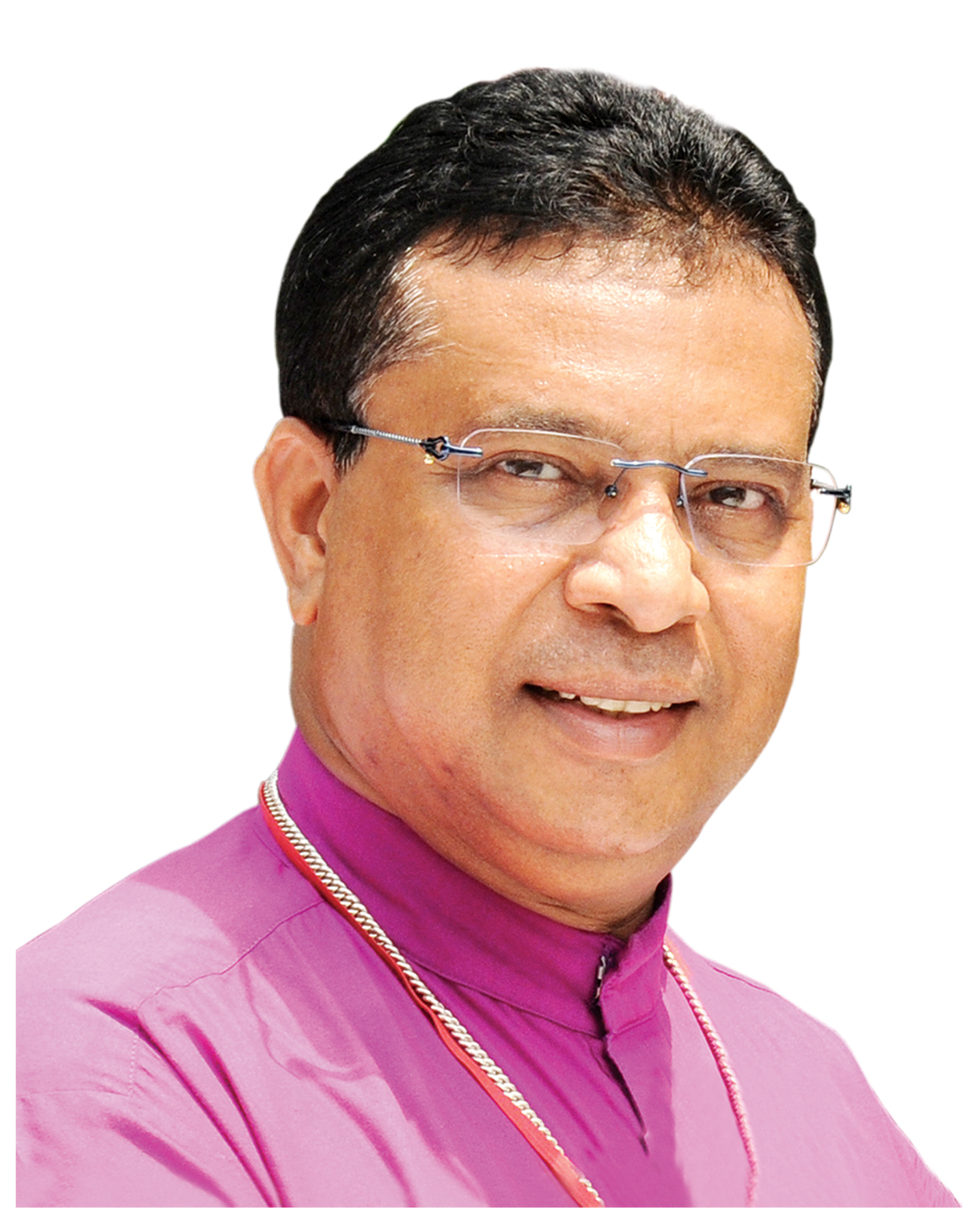
THE MOST REV. DR. PARITOSH CANNING
MODERATOR, CHURCH OF NORTH INDIA
PRESIDENT OF JOHN WILSON EDUCATION SOCIETY
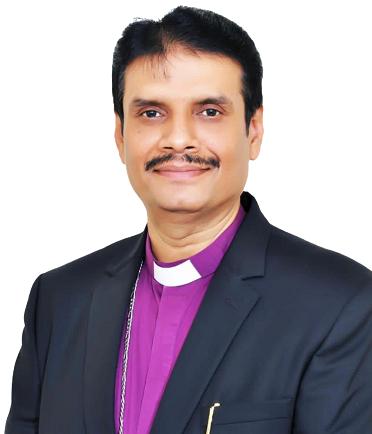
THE RT. REV. MANOJ CHARAN
MEMBER OF BOARD OF MANAGEMENT, WILSON COLLEGE
THE REV. D. J. AJITH KUMAR
MEMBER OF BOARD OF MANAGEMENT, WILSON COLLEGE
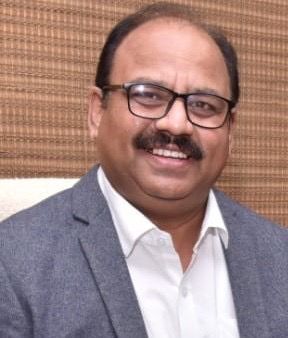
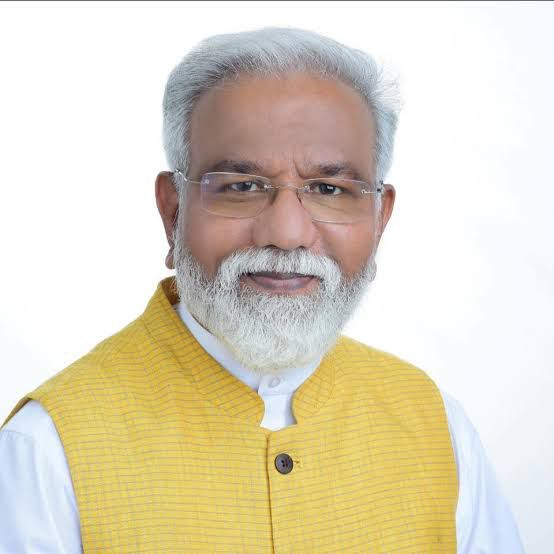
MR.SUBRATA GORAI
MEMBER OF BOARD OF MANAGEMENT, WILSON COLLEGE
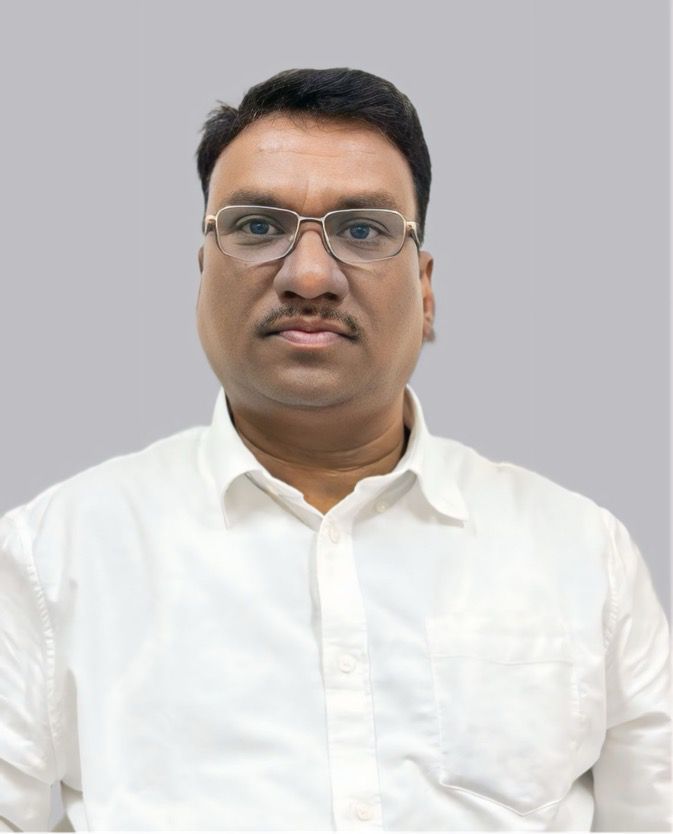
DR. LALBHADUR KAMBLE
HON. SECRETARY OF JOHN WILSON EDUCATION SOCIETY
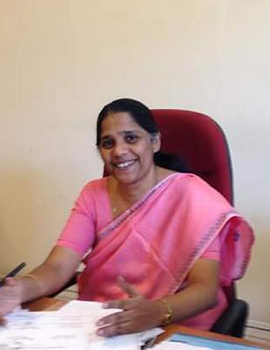
DR. SYBIL THOMAS
MEMBER OF BOARD OF MANAGEMENT, WILSON COLLEGE
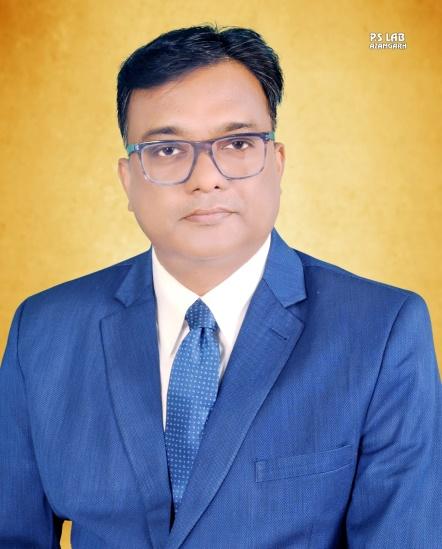
DR. ABHISHEK CHRIS
I/C TREASURER, WILSON COLLEGE
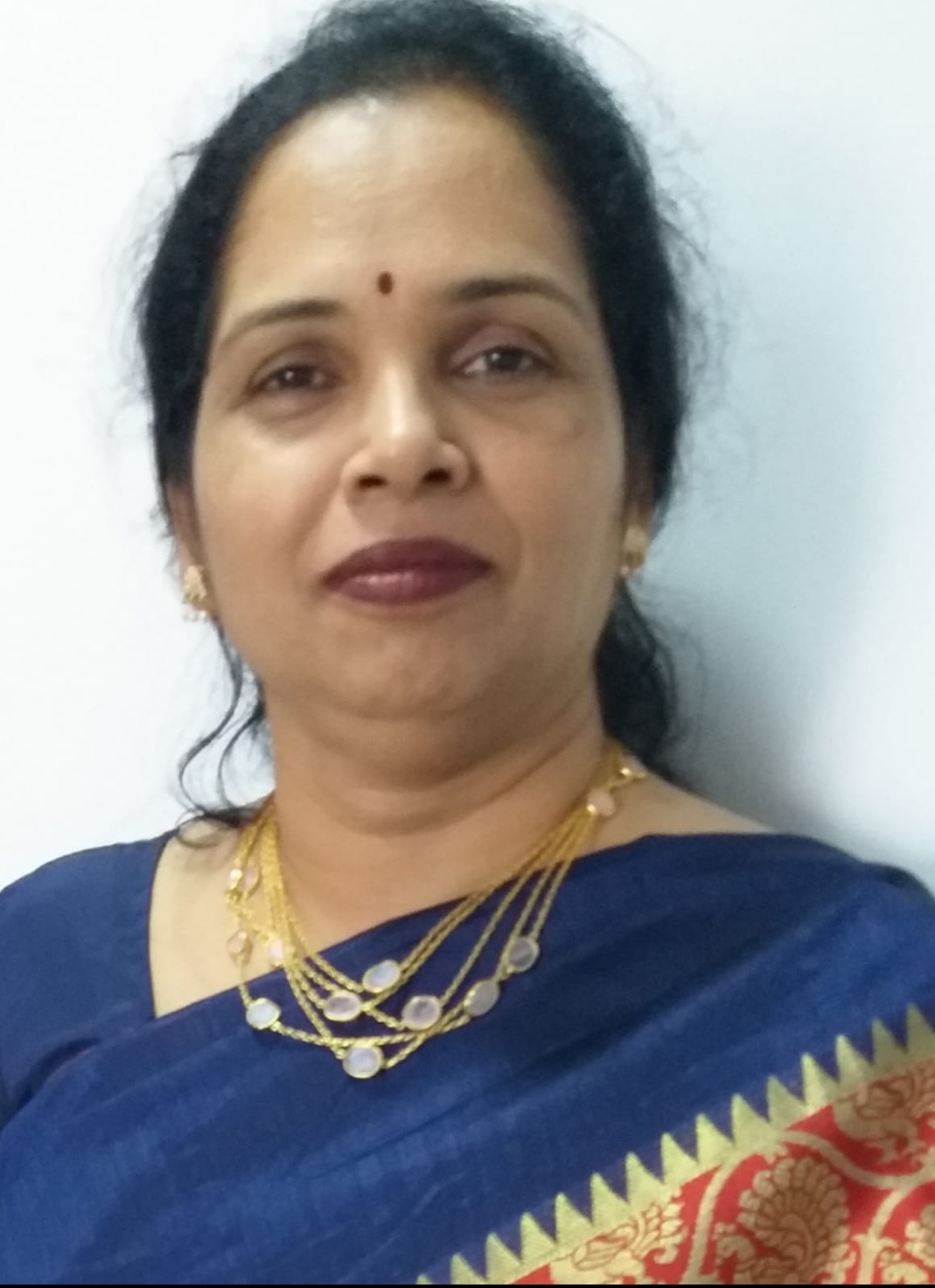
DR. RADHIKA BIRMOLE
MEMBER OF BOARD OF MANAGEMENT, WILSON COLLEGE
IQAC Co-ordinator
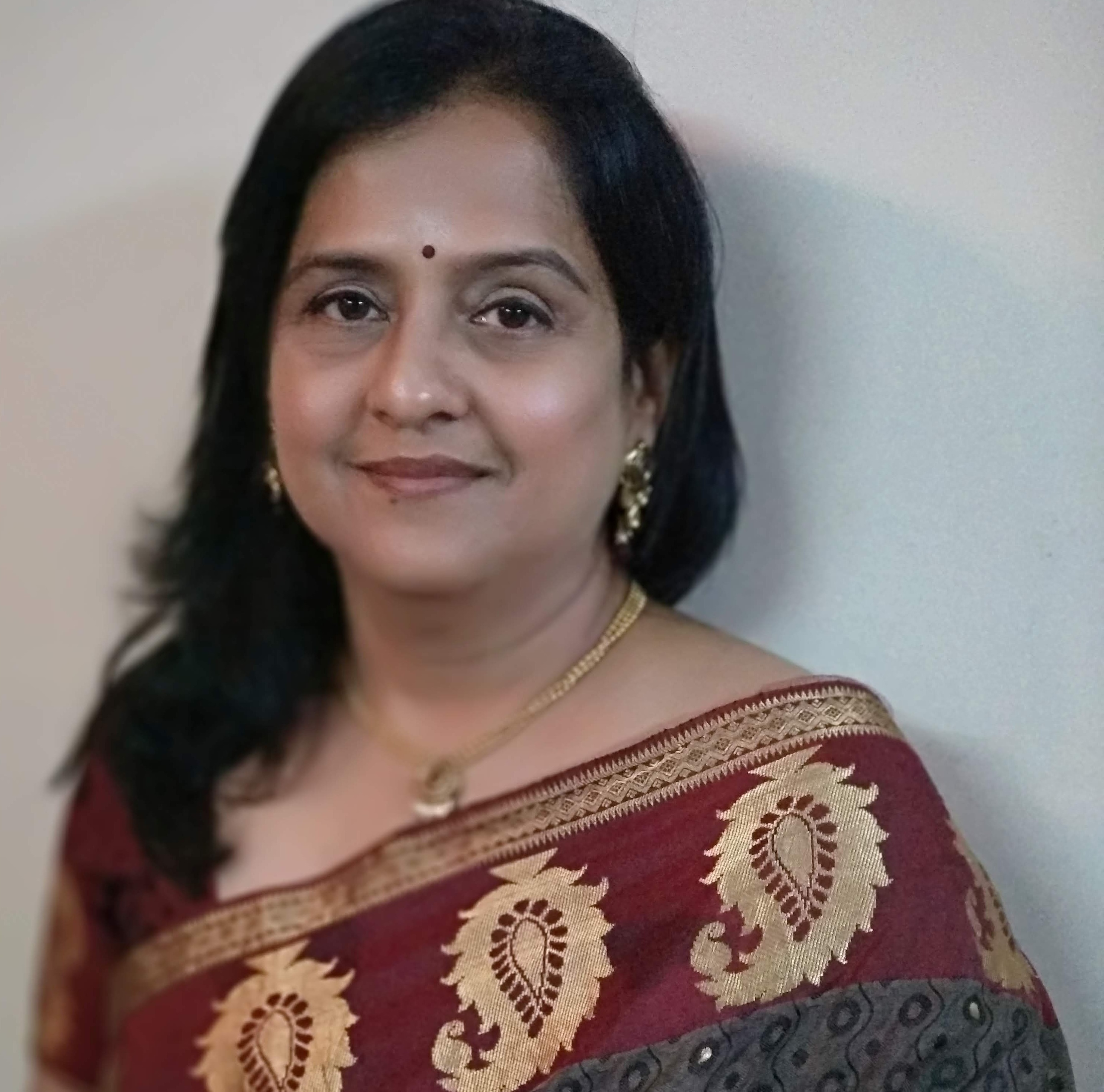
DR.ANURADHA PENDSE
MEMBER OF BOARD OF MANAGEMENT, WILSON COLLEGE
DR. JAMSON MASIH
I/C PRINCIPAL OF WILSON COLLEGE
Governing Body of Wilson College
1. The Most Rev. Dr. Paritosh Canning |
Chairperson |
2.The Rev. D. J. Ajith Kumar |
Management Member |
3.Mr. Subrata Gorai |
Management Member |
4. Dr. Lalbhadur Kamble |
Hon. Secretary, JWES |
5. Prof. Sybil Thomas |
Management Member |
6. Dr. Anuradha Pendse |
Teacher Nominated as per Seniority List |
7. Dr. Radhika Birmole |
Teacher Nominated as per Seniority List |
8. Dr. Agnelo Menezes |
Educationist |
9. Dr. Rupesh Raut |
State Government Nominee |
10. Prof. Anushree Lokur |
VC Nominee, University of Mumbai |
11. Dr. Jamson Masih |
I/C Principal, Wilson College |
Notable Alumni of Wilson College
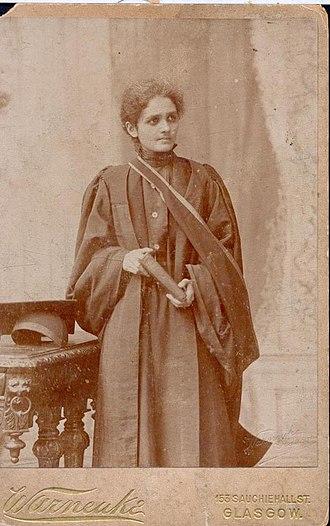
Merbai Ardesir Vakil
Merbai Ardesir Vakil (25 May 1868 – 9 April 1941) was an Indian-Parsi physician and the first Asian woman to graduate from a Scottish university (Wilson College).
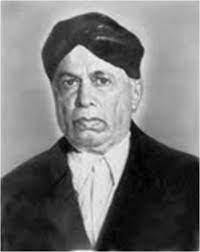
Rao Bahadur Shripad Subrao Talmaki
Rao Bahadur Shripad Subrao Talmaki (25 December 1868 - 28 January 1948) was a social reformer and early pioneer of the Cooperative movement in India, known as the father of India's cooperative movement. He co-founded Asia's first Cooperative Housing Society in 1915.
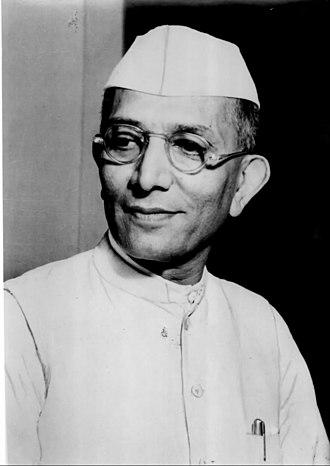
Morarji Ranchhodji Desai
Morarji Ranchhodji Desai (29 February 1896 - 10 April 1995) was an Indian independence activist and the 4th Prime Minister of India (1977-1979). He received the Bharat Ratna (1991) and Nishan-e-Pakistan (1990).
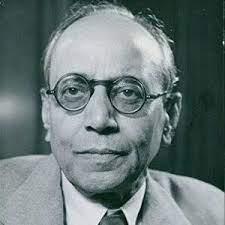
Balasaheb Gangadhar Kher
Balasaheb Gangadhar Kher (24 August 1888 - 8 March 1957) was an Indian politician, serving as the prime minister of Bombay and the first chief minister of Bombay State. He was awarded the Padma Vibhushan in 1954.
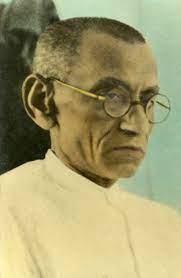
Kishorlal Ghanshyamlal Mashruwala
Kishorlal Ghanshyamlal Mashruwala (1890 - 1952) was an Indian independence activist, biographer, and translator. He earned a BSc from Wilson College in 1909 and was deeply influenced by Mahatma Gandhi.
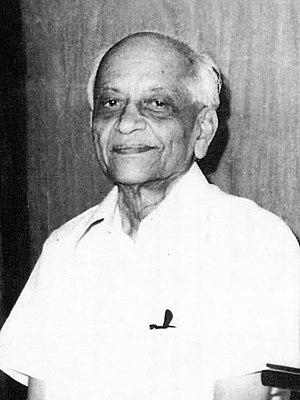
Shripad Amrut Dange
Shripad Amrut Dange (1899 - 1991) was a founding member of the Communist Party of India and a key figure in the Indian trade union movement. He founded the first socialist weekly in India.
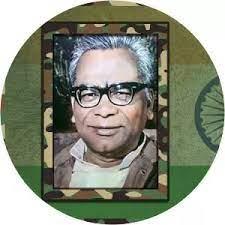
Mohanlal Lallubhai Dantwala
Mohanlal Lallubhai Dantwala (1909 - 1998) was an Indian agricultural economist, known as the father of Indian agricultural economics. He was awarded the Padma Bhushan in 1969.
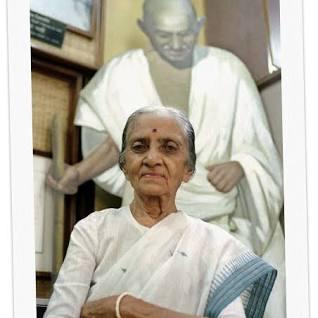
Dr. Usha Mehta
Usha Mehta (1920‚- 2000) was a Gandhian and freedom fighter, known for organizing the Congress Radio during the Quit India Movement of 1942. She received the Padma Vibhushan in 1998.
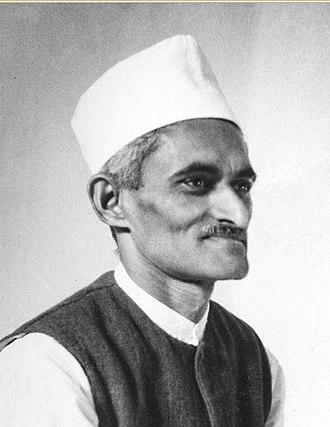
Ramnarayan Vishwanath Pathak
Ramnarayan Vishwanath Pathak was a Gujarati poet and writer, awarded the Narmad Suvarna Chandrak (1949) and Sahitya Akademi Award (1956) for his contributions to literature.
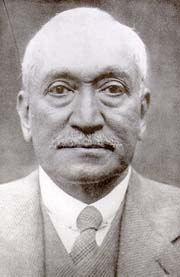
Abdullah Yusuf Ali
Abdullah Yusuf Ali was an Indian-British barrister and scholar, known for his exegesis of the Qur'an and support for the British war effort during World War I, earning the CBE in 1917.
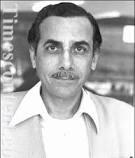
Burjor Khurshedji Karanjia
Burjor Khurshedji Karanjia (1919 - 2012) was an Indian film journalist and editor of Filmfare and Screen, and chairman of the National Film Development Corporation of India.

Daji Bhatawadekar
Daji Bhatawadekar (1921 - 2006) was an Indian theatre personality and actor, awarded the Sangeet Natak Akademi award in 1965 and the Padma Shri in 1967.
Uttambhai Nathalal Mehta
Uttambhai Nathalal Mehta (1924 - 1998) was an Indian businessman and the founder and chairman of Torrent Group.
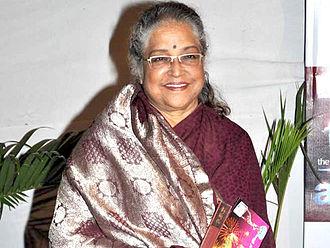
Shubha Balsavar
Shubha Balsavar, a graduate in English Literature from Wilson College, is an Indian actress and former national champion in swimming and cycling.
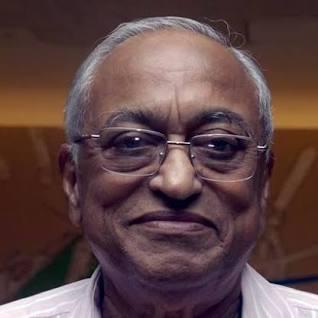
Dileep Sardesai
Dilip Narayan Sardesai (1940 - 2007) was an Indian international cricketer, the first Goa-born cricketer to play for India, known for his prowess against spin bowling.
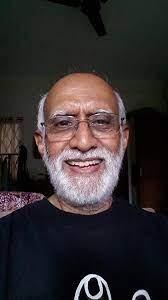
Mathai Joseph
Mathai Joseph is an Indian computer scientist and author, recipient of the 2020 Test-of-Time Award for his contributions to the field.
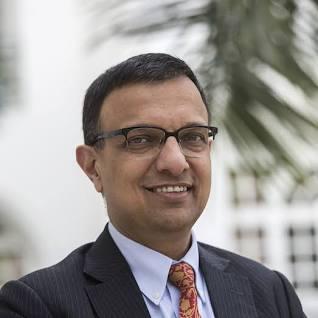
Nachiket Mor
Nachiket Mor is an Indian banker and National Director for the Bill and Melinda Gates Foundation, known for his contributions to financial inclusion in India.
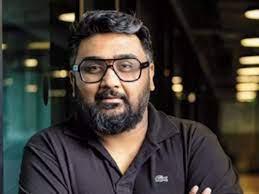
Kunal Shah
Kunal Shah, BA Philosophy (2000), is the founder of CRED and an advisor to the board of Bennett Coleman and Co. Ltd. (Times Group).

Malavika Mohanan
Malavika Mohanan (born 1993) is an Indian actress who works predominantly in Tamil and Malayalam films.
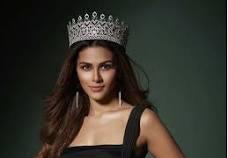
Adline Mewis Quadros Castelino
Adline Mewis Quadros Castelino (born 1998) is an Indian model and beauty pageant titleholder, crowned Miss Diva Universe 2020 and third runner-up at Miss Universe 2020.